craftsman riding lawn mower manual
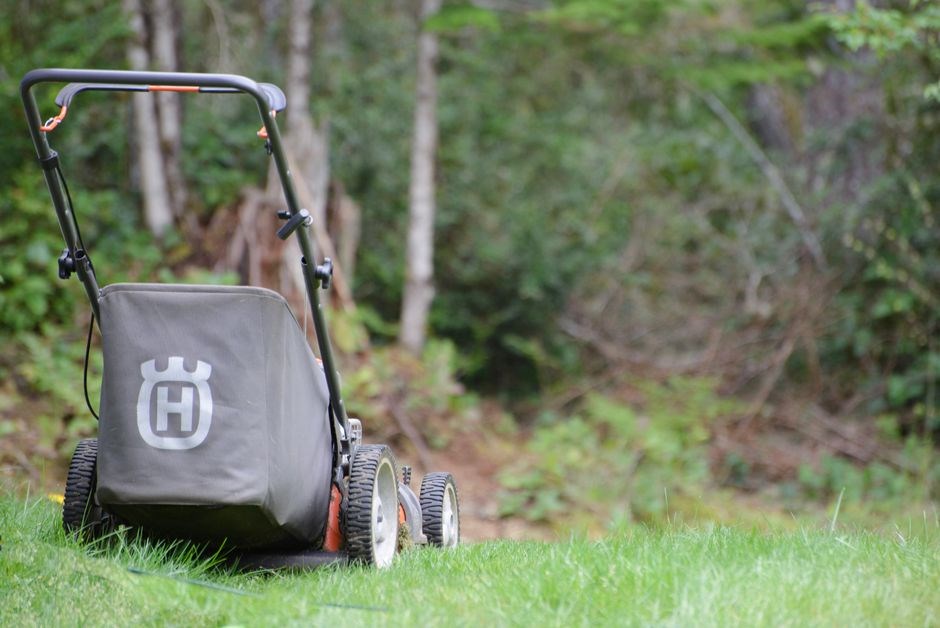
Craftsman Riding Lawn Mower Manual Overview
Discover your Craftsman riding mower’s core features: a robust 4‑hp engine, 3‑speed transmission, ergonomic seat, and adjustable cutting deck. This manual guides you through setup, operation, and maintenance, ensuring safe, efficient mowing for any lawn size. Follow the diagrams for optimal blade alignment proper.

Safety Precautions
Always read the manual before use. Keep children and pets away. Wear protective gear: helmet, gloves, eye protection, and sturdy footwear. Never operate on wet or uneven terrain. Keep the mower’sdeck clear of debris. Follow lock‑out procedures during maintenance. Follow safety guidelines for secure operation!! OK
Personal Protective Equipment
Before operating the Craftsman riding mower, equip yourself with the following safety gear: a hard‑hat or helmet to protect against falling debris; safety goggles or a face shield to guard eyes from flying grass and metal shavings; sturdy work gloves to maintain grip and shield hands from heat and cuts; closed‑toe shoes or boots with good traction to prevent slips; hearing protection such as earplugs or earmuffs to reduce noise exposure; and long sleeves and pants to cover skin from splinters and abrasions. Ensure all gear fits snugly and is in good condition. Replace damaged items immediately. Proper PPE not only safeguards your well‑being but also enhances overall mowing efficiency by allowing you to focus fully on the task at hand.
When selecting PPE, consider the mower’s operating environment. In dusty fields, use a respirator or mask to prevent inhalation of fine particles. For high‑speed mowing, ear protection reduces hearing loss risk. Always inspect gear for wear before each session; replace cracked goggles, torn gloves, or frayed earplugs immediately. Properly fitted equipment reduces fatigue and improves control, enabling safer, more efficient mowing. Keep PPE clean and dry; store in a cool, dry place to maintain integrity.
Remember, PPE is a dynamic requirement; adjust gear for weather, terrain, and mowing speed. Document failures and report them. A well‑maintained safety kit protects you and extends mower life preventing damage from debris environmental factors.
Equipment Components
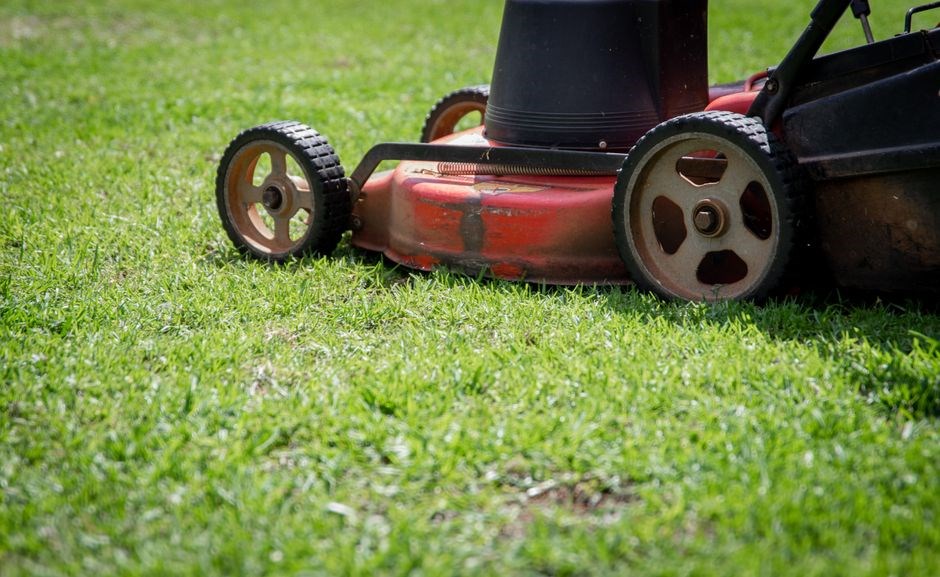
The Craftsman riding mower features a 4‑hp gasoline engine, a 3‑speed transmission, a 20‑inch cutting deck with adjustable height, blades for smoothcut, and a 12‑V electrical system with a battery, fuses, and a charging port. The deck’s steel frame supports heavy‑duty operation; hydraulic lift adjusts height smoothly.!!
Engine and Transmission
The Craftsman riding mower uses a 4‑hp, 4‑cycle gasoline engine that delivers steady power on uneven ground. A liquid‑cooled radiator and thermostat keep the engine within safe temperatures. Fuel flows through a 5‑bar filter and a 0.75‑bar regulator for clean combustion. Oil capacity is 1.5 L; use SAE 10W‑30, changed every 50 hours or after the first 30 minutes of use. The cooling fan operates at 80% throttle to keep temperatures stable. The 3‑speed manual transmission features a reverse gear. Shift lever on the left side moves forward for forward gears and backward for reverse, and it has a lockout feature to prevent accidental shifts. It employs a dry‑clutch system, so no fluid changes are needed. Inspect clutch springs and gear teeth every 200 hours to prevent wear. The rear differential is 2‑speed, allowing low‑speed maneuverability or high‑speed cutting; it is sealed and requires no maintenance. Keep the drive shaft and wheels aligned to avoid excess wear. Follow torque specs when assembling. Always disengage the transmission before servicing the engine or drivetrain. If you hear unusual vibrations or a loss of power, check the timing belt, spark plug, and fuel injector. Regularly inspect the transmission’s gear oil level if applicable, and replace worn parts promptly to avoid costly repairs. The mower’s seat height can be adjusted from 18 to 24 inches for operator comfort. Together, the engine and transmission provide a durable, efficient platform for consistent mowing performance and reliable.
The Craftsman riding mower uses a 4‑hp, 4‑cycle gasoline engine that delivers steady power on uneven ground. A liquid‑cooled radiator and thermostat keep the engine within safe temperatures. Fuel flows through a 5‑bar filter and a 0.75‑bar regulator for clean combustion. Oil capacity is 1.5 L; use SAE 10W‑30, changed every 50 hours or after the first 30 minutes of use. The cooling fan operates at 80% throttle to keep temperatures stable. The 3‑speed manual transmission features a reverse gear. Shift lever on the left side moves forward for forward gears and backward for reverse, and it has a lockout feature to prevent accidental shifts. It employs a dry‑clutch system, so no fluid changes are needed. Inspect clutch springs and gear teeth every 200 hours to prevent wear. Keep the drive shaft and wheels aligned to avoid excess wear. The rear differential is 2‑speed, allowing low‑speed maneuverability or high‑speed cutting; it is sealed and requires no maintenance. The mower’s seat height can be adjusted from 18 to 24 inches for operator comfort. Together, the engine and transmission provide a durable, efficient platform for consistent mowing performance and reliable.
Mowing Deck and Blades
The Craftsman riding mower’s deck is a 42‑inch steel frame with a 1‑inch thick cutting surface. It features a 3‑blade system: a central blade, a left offset blade, and a right offset blade, all forged from high‑strength alloy for durability. The deck’s adjustable height ranges from 1.5 to 4.5 inches, allowing fine‑tune cuts for lawns, borders, and uneven terrain. The deck’s pivot is a 5‑inch ball joint, which can be locked with a lever on the operator’s seat. The blade mounting system uses a 5‑inch hex socket for quick removal; the blades are secured with a 10‑mm torque wrench to 120 lb‑ft. The deck’s skid plates protect the underside from rocks and debris. The cutting width is 42 inches, and the deck’s weight is 30 pounds, which balances stability and maneuverability. The deck’s design incorporates a self‑leveling system: a spring‑loaded roller on the rear wheel keeps the deck level regardless of terrain. The deck’s maintenance schedule calls for a visual inspection every 50 hours of operation. Check for cracks, dents, or loose bolts. Clean the deck with a soft brush and mild detergent; avoid abrasive cleaners that can damage the finish. The blades should be sharpened or replaced every 200 hours or when the cutting edge becomes dull. When replacing blades, align the left and right blades to the central blade’s pitch angle of 30 degrees. The deck’s hydraulic lift system is powered by a 12‑volt pump; ensure the hydraulic fluid is at the correct level and free of air bubbles. The deck’s safety guard can be removed for maintenance but must be reinstalled before operation. The deck’s design also includes a built‑in blade guard that covers the cutting area when the mower is parked, preventing accidental contact. Proper use of the deck and blades ensures a clean, even cut and extends the mower’s service life.
The Craftsman riding mower’s mowing deck is a robust 42‑inch steel frame designed for durability and performance. It features a 3‑blade system: a central blade, a left offset blade, and a right offset blade, all forged from high‑strength alloy to resist wear. The deck’s adjustable height ranges from 1.5 to 4.5 inches, allowing operators to fine‑tune cuts for lawns, borders, and uneven terrain. The deck’s pivot is a 5‑inch ball joint, which can be locked with a lever on the operator’s seat for stability. The cutting width is 42 inches, and the deck’s weight of 30 pounds balances stability and maneuverability. The deck’s design incorporates a self‑leveling system: a spring‑loaded roller on the rear wheel keeps the deck level regardless of terrain. The deck’s maintenance schedule calls for a visual inspection every 50 hours of operation. Check for cracks, dents, or loose bolts. Clean the deck with a soft brush and mild detergent; avoid abrasive cleaners that can damage the finish. The blades should be sharpened or replaced every 200 hours or when the cutting edge becomes dull. When replacing blades, align the left and right blades to the central blade’s pitch angle of 30 degrees. The deck’s built‑in blade guard covers the cutting area when the mower is parked, preventing accidental contact. Proper use of the deck and blades ensures a clean, even cut and extends the mower’s service life. This design guarantees consistent performance now!
Installation and Setup
Before you ignite the engine, ensure the mower is on a stable, flat surface. Remove any debris from the deck and wheels, and verify that the operator seat is securely fastened. Attach the fuel cap, then fill the 3‑gal tank with fresh gasoline, mixing 10 % oil if the mower uses a 2‑cycle engine. Check the oil level using the dipstick; it should read between the “MIN” and “MAX” marks. Install the battery by aligning the positive (+) and negative (‑) terminals, then tighten the clamps. Next, set the cutting height by moving the height adjustment lever to the desired setting; the lever’s indicator should line up with the “0” to “4” scale. Engage the parking brake and set the wheel lock lever to “LOCK” to prevent accidental movement. Verify the blade guard is in place and the blade guard latch is secure. Finally, confirm that the hydraulic fluid reservoir is filled to the “MAX” line, and that the hydraulic hose is free of kinks; Once all checks are complete, you’re ready to start the mower. Refer to the “Engine Starting” section for ignition instructions. This systematic setup ensures safety, optimal performance, and longevity of your Craftsman riding mower.
After the initial setup, perform a test run: start the engine, let it warm up, and observe the hydraulic system for leaks. Check steering for smoothness and ensure the seat cushion is correctly positioned. If any abnormal noise occurs, consult the troubleshooting guide before proceeding. Store the mower properly after use—cover it with a weather‑proof tarp and disconnect the battery—to extend its life. Keep the mower clean and dry now.

Operating Procedures.
Before each mowing session, perform a quick safety check: ensure the seat is adjusted, the blade guard is closed, and the parking brake is engaged. Start the engine by pulling the starter cord until the engine cranks, then release the brake and shift the transmission to the desired speed. Use the throttle lever to control cutting speed; keep it steady to avoid blade chatter. Maintain a consistent forward pace of 3–4 mph for even cuts. When turning, keep the mower’s front wheel on the ground and avoid abrupt stops. For uneven terrain, lower the cutting height to prevent blade damage. Always keep the blade guard in place during operation to protect the operator. After mowing, turn off the engine, disengage the parking brake, and allow the mower to cool before cleaning or storing. Follow the manufacturer’s recommended maintenance schedule to keep the mower running smoothly.
When mowing large areas, use a systematic pattern: start at one corner and move in straight lines, overlapping each pass by about 25 %. This ensures even coverage and reduces missed spots. If you encounter a low‑lying obstacle, switch to the side‑shift mode and carefully guide the mower around it. Keep the seat upright and the steering wheel centered to maintain control. After completing a section, pause to inspect the blade for dullness or damage; replace blades immediately if necessary. When finished, turn off the engine, disengage the parking brake, and secure the mower on a level surface. Use the side‑shift for lowobstacles and keep the seat upright
Maintenance and Servicing
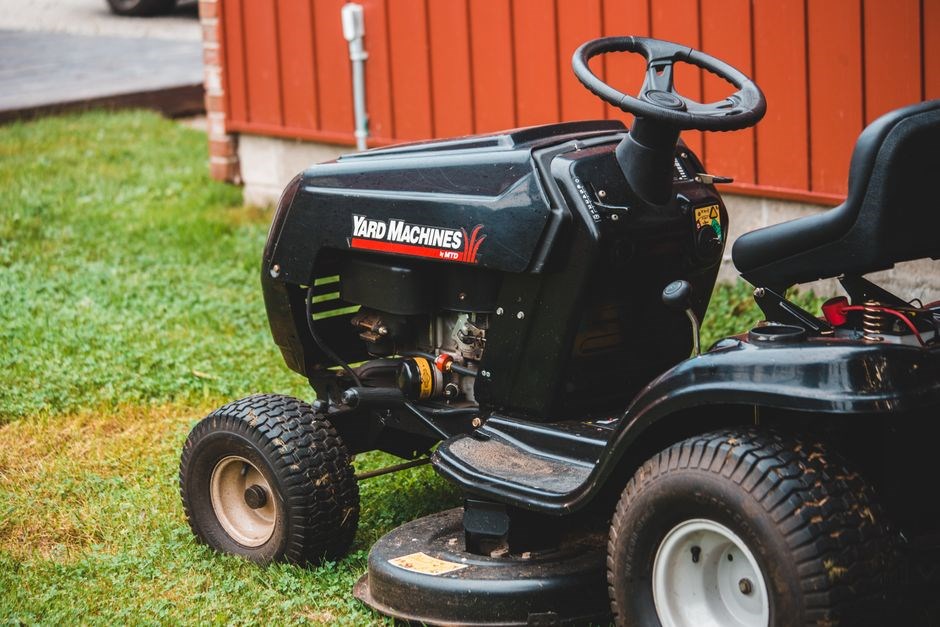
Perform routine checks: clean air filter, inspect spark plug, change oil every 50 hrs, sharpen blades monthly, test brakes, and verify tire pressure. Store in a dry place. Follow the service schedule in the owner’s manual for optimal performance. Check fluid levels monthly, top up if low, and replace worn belts. Regularly
Follow this schedule to keep your Craftsman riding mower running smoothly and extend its life. After every 50 hours of use, change the engine oil and replace the oil filter. Inspect the air filter monthly; clean or replace it if it shows signs of clogging. Every 30 days, check the spark plug, remove deposits, and replace it if the gap is out of spec. Replace the drive belt after 200 hours or if it shows fraying. Inspect the hydraulic system weekly for leaks, and top up fluid as needed. Clean the mower deck and blades after each mowing session, then sharpen the blades every 6 weeks to maintain a clean cut. Check tire pressure monthly and adjust to the manufacturer’s recommended PSI. Test the brakes and steering each month, ensuring they respond correctly. Replace any worn or damaged parts promptly. Store the mower in a dry, sheltered area during off‑season, and cover it with a breathable tarp to prevent dust buildup. Additionally, perform a full system check every 12 months: inspect the frame, test the seat cushion, and clean the exhaust. Replace the battery if it shows reduced capacity. Keep a maintenance log to track hours and tasks. By adhering to this routine, you’ll reduce wear, improve performance, and avoid costly repairs. Before each mowing session, inspect the blade for chips or cracks; replace immediately if damaged. Check the seat for proper alignment and adjust if necessary. Keep the seat cushion clean for rider comfort every day always! Check oil. Maintain a clean organized area to protect the mower from weather and debris. Check oil!!!

Troubleshooting Common Issues
Check fuel, spark plug, and air filter first. If the mower won’t start, clean the carburetor, replace the spark plug, and ensure the fuel line is unobstructed. For low cutting height, inspect the blade for damage and adjust the deck. If the mower stalls, check the oil level and filter. Keep mower clean
Engine Starting Problems
Engine starting problems on a Craftsman riding mower are often rooted in a few predictable areas. Begin by verifying the fuel supply: use fresh gasoline, add a stabilizer if the mower has sat for more than 48 hours, and drain any old fuel from the tank and lines. Next, inspect the spark plug—remove it, clean the electrode with a wire brush, and replace it if it shows wear or deposits. Check the spark plug gap against the manufacturer’s specification; an incorrect gap can prevent ignition; The air filter is another critical component; a clogged filter restricts airflow, causing the engine to run rich and fail to start. If the mower still refuses to start, test the battery and charging system. A weak or dead battery will not provide the voltage needed for the starter motor, and a faulty alternator can leave the battery depleted. Inspect the ignition switch for continuity; a defective switch can stop the spark from reaching the plug. Finally, examine the fuel filter for clogs and replace it if necessary. By methodically checking each of these components—fuel, spark, air, and electrical—you can isolate and resolve most starting issues, restoring reliable operation to your mower.
Should the mower still refuse to start, check the fuel pressure with a gauge; a low reading indicates a clogged line or weak pump. Verify the choke lever is fully engaged when cold and fully released once warmed. Inspect carburetor mounting gaskets for vacuum leaks, as they can cause erratic idle and starting issues. Follow any model‑specific procedures detailed in the manual.Done.!
Blade Issues
Blade problems can manifest as uneven cuts, chatter, or a complete loss of cutting ability. The first step is to inspect the blades for dullness or damage. A dull blade will drag through grass, creating a ragged edge and increasing fuel consumption. Use a sharpening stone or a dedicated blade sharpener to restore a 30‑degree cutting angle. If a blade is bent, use a blade straightener or replace the blade entirely. A bent blade not only reduces cutting performance but can also damage the deck or cause the mower to vibrate excessively.
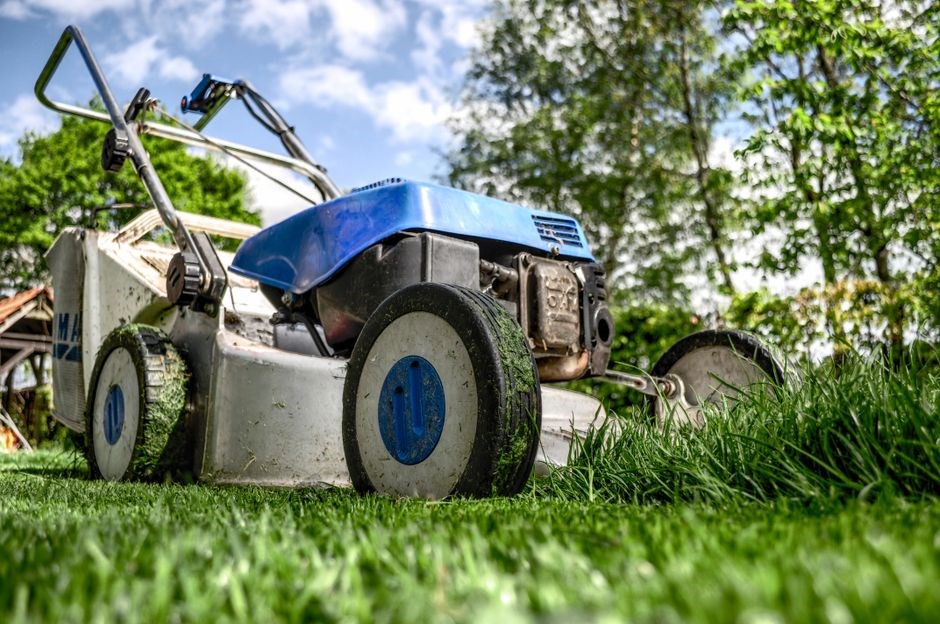
Check for proper blade alignment. Misaligned blades can cause the deck to tilt, leading to uneven mowing. Loosen the mounting bolts, adjust the blade position, and retighten to the manufacturer’s torque specification. Ensure the blade is centered on the arbor; a miscentered blade will cause the mower to pull to one side.
Next, verify that the blade is securely fastened. Loose blades can spin independently of the deck, creating dangerous vibrations. Tighten all mounting bolts to the specified torque. If the bolts are corroded or stripped, replace them with new ones. Also, check the blade guard for proper clearance; a guard that is too close can impede blade rotation, while one that is too far can allow debris to strike the blade.
Inspect the deck for debris buildup. Grass clippings, soil, and other debris can accumulate between the deck and the blade, causing the blade to bind. If the deck is warped or damaged, replace it now to maintain a level cutting surface. By systematically addressing dullness, alignment, fastening, and debris, you can restore optimal blade performance and ensure a clean, even cut on every pass.

Warranty and Support

Craftsman riding lawn mowers are backed by a five‑year limited warranty that protects against manufacturing defects in materials and workmanship. This coverage applies to the engine, transmission, deck, and electrical components. Parts that wear out—such as blades, tires, and belts—are covered for one year from the date of purchase. To activate the warranty, register your mower on the official Craftsman website within 30 days of purchase. Registration requires proof of purchase, a valid serial number, and contact information. Once registered, you will receive a warranty card and gain access to online support resources, including troubleshooting guides, service manuals, and downloadable firmware updates.
In the event of a covered defect, you may choose between repair, replacement, or refund, depending on the nature of the issue and the availability of parts. Repairs can be performed at authorized Craftsman service centers or by certified technicians. Replacement parts are shipped directly to the service center or to the customer if the mower is no longer in serviceable condition. Refunds are issued only for defective units that cannot be repaired or replaced within a reasonable timeframe.
Customer support is available 24/7 through phone, email, and live chat. The support team can guide you through diagnostic steps, schedule service appointments, and provide parts ordering assistance. For urgent repairs, you can request a same‑day service call in select regions. All service interactions are logged, and a service history record is maintained for each mower, ensuring that future warranty claims are processed efficiently.
Additional coverage options are available for purchase, such as extended warranty plans that cover accidental damage, extended parts coverage, and roadside assistance. These plans can be added at the time of purchase or within the first 90 days of ownership. Each plan comes with its own terms, conditions, and limits, which are detailed in the plan documentation.
To maintain warranty eligibility, you must follow the maintenance schedule outlined in the owner’s manual. Failure to perform routine maintenance—such as oil changes, blade sharpening, and deck cleaning—may void the warranty. Always use OEM parts and recommended fluids to ensure compatibility and performance.
For more information, visit the official Craftsman support portal, where you can download manuals, view service videos, and track warranty status. If you have any questions or need assistance, contact the support team directly or visit an authorized Craftsman dealer near you.



Leave a Reply
You must be logged in to post a comment.