cuisinart rice maker instructions

Overview of Cuisinart Rice Maker Features
These models combine a stainless‑steel inner pot, a non‑stick coating, and a digital control panel that offers preset programs for white, brown, and mixed grains․ A keep‑warm function maintains temperature, while a removable lid and easy‑clean surface simplify use․ Its footprint fits most countersauto
Core Functionalities and Design Highlights
The Cuisinart rice maker offers a blend of convenience and precision․ Its stainless‑steel inner pot, coated with a non‑stick surface, ensures even heat distribution and easy release of grains․ A digital control panel features preset programs for white, brown, and mixed rice, automatically adjusting cooking time and temperature․ The keep‑warm mode keeps rice at an optimal serving temperature without overcooking․ A removable lid with a steam vent allows for quick inspection and prevents pressure buildup․ The appliance’s compact footprint and lightweight design fit comfortably on most countertops․ A built‑in timer and audible alert signal when cooking is complete, while a child‑safe lock prevents accidental operation․ The machine’s energy‑efficient motor and automatic shut‑off feature reduce power consumption and enhance safety․ Overall, the design prioritizes user‑friendly operation, consistent results, and minimal cleanup․
Its compact design includes a removable inner pot that can be used as a saucepan for sautéing or simmering, expanding versatility․ A one‑touch start button initiates the cycle, while a pause function allows for quick adjustments․ The automatic shut‑off feature ensures safety by cutting power once the rice is ready․ Users can also customize settings for different grain types, adjusting water ratios and cooking times for optimal texture․ The machine’s low noise level and energy‑saving mode make it suitable for both home kitchens and small offices․
Selecting the Right Model for Your Kitchen
Choose a Cuisinart rice maker that matches your cooking volume and feature needs․ Compact models suit small spaces, while larger capacities serve families․ Look for programmable settings, keep‑warm options, and easy‑clean pots for convenience․ today!!
Differences Between Basic and Advanced Models

Basic Cuisinart rice makers typically feature a single “white rice” setting, a simple keep‑warm function, and a non‑stick inner pot․ They lack programmable timers, multiple grain options, and advanced temperature control․ Advanced models, in contrast, offer a full suite of presets—including brown, wild, and mixed‑grain modes—plus a programmable delay start and a more precise keep‑warm temperature setting․ The inner pots of higher‑tier units are typically larger, made from stainless steel with a thicker non‑stick coating, and come with removable lids for easier cleaning․ Many advanced versions also include a digital display, an audible “ready” signal, and a “pulse” button for quick reheating․ Additionally, some premium models feature a built‑in steam basket, allowing users to steam vegetables or proteins simultaneously․ These enhancements make advanced rice makers suitable for households that cook a variety of grains regularly or require more flexibility in timing and texture․ In contrast, basic models remain an economical choice for those who primarily cook white rice and prefer a straightforward, no‑frills appliance․ When choosing, consider your typical cooking volume, desired grain variety, and whether you value convenience features such as programmable delay or a larger capacity․ The investment in an advanced unit pays off for frequent users and those who enjoy experimenting with different rice types and cooking techniques․ Users can also take advantage of the built‑in timer to schedule cooking for dinner or breakfast․ The sleek design fits easily into most kitchen décor, and the removable lid allows for quick access to the pot during cooking․ With its construction, the appliance is built to last for years of use․ It also offers a convenient keep‑warm setting that maintains rice at an optimal temperature for up to 12 hours․ The appliance’s sleek appearance complements any kitchen décor․ Its durable construction ensures years of reliable use, even with frequent cooking, and energy efficient daily․
Determining Capacity for Your Cooking Needs
Choose a 3‑cup model for solo or couples, 5‑cup for small families, and 10‑cup for larger groups or frequent entertaining․ Measure servings: 1 cup uncooked yields about 3 cups cooked․ Match capacity to your typical meal size to avoid over‑cooking or waste․ More
Choosing Between 3-Cup and 10-Cup Options
When deciding between a 3‑cup and a 10‑cup Cuisinart rice maker, consider your typical meal size, storage space, and budget․ A 3‑cup unit is lightweight, compact, and ideal for single servings or couples; it fits easily on small countertops and is energy‑efficient for occasional use․ The 10‑cup model, on the other hand, offers a larger capacity that can handle family meals or gatherings, allowing you to cook multiple servings in one cycle․ It features a thicker stainless‑steel inner pot, a larger water reservoir, and a more robust heating element, which can reduce cooking time for larger loads․ However, it occupies more counter space, consumes more electricity, and is heavier to move․ If you frequently entertain guests or prefer batch cooking, the 10‑cup model provides convenience and versatility․ For those who cook only a few bowls a week, the 3‑cup version delivers the same quality with a smaller footprint․ Additionally, consider the price difference: the 10‑cup model typically costs 20–30% more, but offers a longer warranty and extra features such as a delay‑start timer․ Finally, think about future needs; a larger capacity may be a worthwhile investment if you anticipate expanding your household or hosting more frequent dinner parties․ Weigh these factors carefully to choose the best fit for your kitchen and lifestyle․ Whether you’re a novice cook or a seasoned chef, interface and clear indicator lights make operating the machine a breeze, ensuring consistent results! daily!!
Understanding Power and Technical Specifications
Cuisinart rice makers typically operate at 120 V, 60 Hz, with a 400‑W heating element․ The 3‑cup model uses 350 W, while the 10‑cup model draws 450 W, delivering faster heat transfer․ Energy‑star ratings vary; most units consume under 1 kWh per 10‑cup batch, keeping electricity costs low․ low standby!ok
Voltage, Wattage, and Energy Efficiency
Cuisinart rice makers are engineered to run on standard North American household voltage, typically 120 V at 60 Hz․ The 3‑cup model features a 350‑W heating element, while the 10‑cup version uses a 450‑W element, allowing faster heat transfer and shorter cooking times․ Both models incorporate a thermal‑cut safety switch that shuts off power once the internal temperature reaches 210 °F, preventing overheating and conserving energy․
Energy efficiency is a key selling point․ The 3‑cup unit consumes roughly 0․35 kWh per batch, whereas the 10‑cup model uses about 0․45 kWh for a full load․ In practice, this translates to a cost of approximately 5–7 ¢ per 10‑cup cooking session, assuming a typical residential electricity rate of 10 ¢ per kWh, which is roughly 0․45 kWh per 10‑cup batch․ The keep‑warm function operates at a low 100‑W draw, maintaining rice at 140 °F without excessive power consumption․
Both models are rated for continuous use and meet UL safety standards․ They also feature a programmable timer that can delay the start by up to 24 hours, allowing users to schedule cooking for peak‑demand periods․ The combination of a low‑power standby mode, efficient heating element, and thermal‑cut protection ensures that Cuisinart rice makers remain energy‑savvy appliances for everyday use;
When comparing Cuisinart rice makers to stovetop methods, the appliance uses less electricity per serving daily․ The built‑in thermostat maintains precise temperature, reducing energy waste and delivering evenly cooked grains every day!!
Step-by-Step Basic Operation
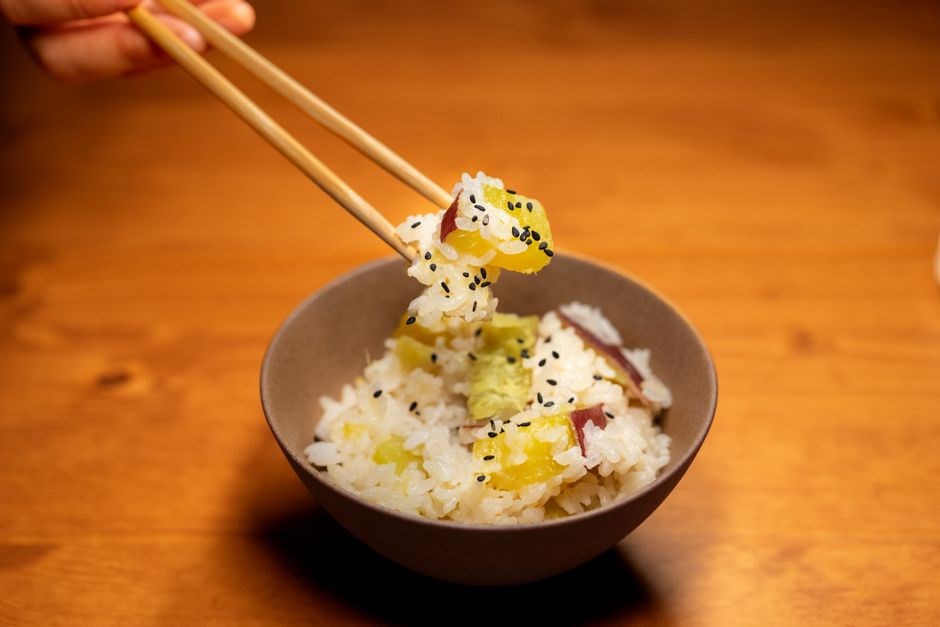
Place the inner pot on the base, add rinsed rice and water per the ratio chart, close the lid, select the desired program, and press start․ The cooker heats, cooks, and automatically switches to keep‑warm․ When finished, let it rest 5 minutes before serving․ Then, transfer to a serving dish and enjoy!!
Setting Up, Adding Rice, and Initiating the Cooking Cycle
Begin by placing the stainless‑steel inner pot onto the base, ensuring it sits snugly․ Rinse 1 cup of rice under cold water until the runoff is clear, then pour it into the pot․ Measure water according to the type: 1 cup of white rice needs 1 ½ cups of water; brown rice requires 2 cups; wild rice needs 2 ½ cups․ Add a pinch of salt or a splash of oil if desired․ Secure the lid, making sure the steam vent is closed․ On the control panel, press the “Start” button; the display will show the selected program and countdown․ The cooker will heat, cook, and automatically switch to “Keep Warm” once the cycle completes․ Allow the rice to rest for 5 minutes before opening the lid to release steam, then fluff with a fork and serve․
- Turn the main power switch to ON․
- Check that the base is on a flat, heat‑resistant surface․
- Attach the inner pot securely․
- Measure rice and water as per the chart․
- Add optional seasonings․
- Close the lid and ensure the steam vent is sealed․
- Press “Start” and wait for the indicator to turn green․
- When the cycle ends, the cooker will switch to “Keep Warm”․
- Let the rice sit 5 minutes, then open the lid․
- Fluff with a fork and serve․
For best results, use the measuring cup and follow the manufacturer’s safety guidelines․ The cooker’s shut‑off feature ensures no over‑cooking, and the inner pot can be rinsed in warm soapy water for cleanup․
Water-to-Rice Ratio Guidelines
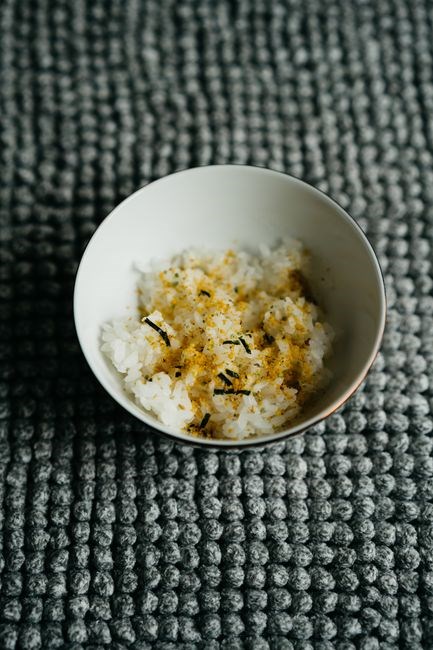
Use the Cuisinart’s built‑in chart: 1 cup white rice = 1 ½ cups water; 1 cup brown rice = 2 cups water; 1 cup wild rice = 2 ½ cups water․ Adjust for altitude by adding ¼ cup per 1,000 ft․ Keep the lid closed during cooking to trap steam․ 1 cup rice to 1 cup water․ jasmine 1 cup rice to 1½ cups water․
Recommended Ratios for White, Brown, and Wild Rice
For optimal texture, follow these precise ratios tailored to each grain type․ White rice: 1 cup of uncooked rice to 1 ½ cups of water․ This ratio yields fluffy grains with a slight chew, ideal for pilaf or sushi․ Brown rice: 1 cup to 2 cups of water, ensuring the husk is fully hydrated for a tender yet nutty bite․ Wild rice: 1 cup to 2 ½ cups of water, allowing the grains to expand fully and develop a chewy, earthy flavor; Adjust for altitude by adding ¼ cup water per 1,000 ft․ For extra moisture, add a teaspoon of butter or a splash of oil․ Use the Cuisinart’s built‑in steam‑release valve to avoid over‑cooking․ When using the keep‑warm function, let the rice rest 10 minutes before serving to lock in steam and flavor․
Before cooking, rinse rice under cold water until the water runs clear to remove excess starch․ For sushi rice, use a 1:1 ratio of rice to water after rinsing; for jasmine, 1:1․5; for basmati, 1:1․5; for short‑grain, 1:1․5; for long‑grain, 1:1․75; for parboiled, 1:1․25; for sticky, 1:2; for wild, 1:2․5; for brown, 1:2; for arborio, 1:2․5․ Add a pinch of salt and a teaspoon of oil for flavor․ Use the built‑in steam‑release valve to prevent over‑cooking․ The digital display shows progress, and the keep‑warm function maintains 140°F for up to 2 hours․ The auto shut‑off stops the cycle automatically, ensuring perfect texture every time․
Let rice rest 5 minutes after the cycle ends before fluffing; this allows steam to settle and improves texture․ Store leftovers in a sealed container in the fridge 4 days․

Cooking Times for Various Rice Types
White rice cooks in 15–20 minutes, brown rice 35–40 minutes, wild rice 45–50 minutes, and parboiled rice 20–25 minutes․ These times assume standard 1:1․5 water ratio and 1‑cup servings․ Adjust slightly for larger loads or altitude․ After cooking, let it sit 10 minutes on keep‑warm, fluff before servingnow!
Accurate Timing for Optimal Texture
Timing is the cornerstone of rice texture․ Even a well‑designed rice maker can produce mushy grains if the cycle is too short, or dry, over‑cooked rice if it runs too long․ The key is to match the internal temperature rise to the type of grain and the desired finish․ For most white varieties, the machine typically reaches 212°F (100°C) after about 12–14 minutes of active heating․ Once that temperature is hit, the cooker switches to a gentle simmer for the remaining 3–5 minutes, ensuring the grains absorb the remaining moisture without boiling away․ Brown rice, with its outer bran layer, requires a longer initial heating phase—usually 20–22 minutes—followed by a 10–12 minute resting period on the keep‑warm setting to allow the steam to finish the job․ Wild rice, being the toughest grain, often needs 30–35 minutes of active cooking and a 15‑minute rest to achieve a chewy yet tender bite․ If you prefer firmer grains, reduce the rest time by a minute or two; for softer, fluffier results, extend it․ Altitude also plays a role: at elevations above 3,000 feet, add an extra minute per cup of rice to compensate for lower boiling points․ Finally, always let the rice sit undisturbed after the cycle ends; this small pause lets the steam redistribute, sealing in moisture and preventing the grains from sticking together․ By mastering these timing nuances, you can consistently produce rice that is perfectly cooked to your taste․ Adjust for your rice brand and taste preference today․OK!
Caring, Cleaning, and Maintenance
Rinse the inner pot with warm, soapy water after each use․ Wipe the exterior with a cloth; avoid abrasive cleaners․ Store the cooker to prevent moisture buildup․ Check the power cord for damage and replace if needed․ Keep timer reset disconnecting for 24 hours․
Routine Cleaning, Storage, and Common Issue Fixes
Begin by unplugging the cooker and allowing it to cool completely․ Remove the inner pot and rinse it with warm, mild detergent․ For stubborn residue, soak the pot in a mixture of baking soda and water, then scrub with a non‑abrasive sponge․ Dry the pot with a soft cloth before re‑assembling․
Wipe the exterior and base with a damp cloth; avoid harsh chemicals that can damage the finish․ When storing, keep the cooker in a dry, well‑ventilated area; If you plan to store it for an extended period, place a paper towel or absorbent pad inside the pot to prevent moisture buildup․
- Power cord: Inspect regularly for fraying or exposed wires․ Replace immediately if damage is detected․
- Keep‑warm function: If the cooker fails to maintain temperature, check that the thermostat is functioning and that the pot is properly seated․
- Over‑cooking: A burnt rice smell often indicates excess heat․ Reduce the cooking time or adjust the water‑to‑rice ratio․
- Uneven rice: Ensure the inner pot is level; uneven surfaces can cause inconsistent cooking․
Tip: Always pre‑wash rice to remove excess starch, which helps prevent sticking․ Additionally, avoid lifting the lid during the 10 minutes; this preserves steam and ensures even cooking․
For persistent issues, consult the troubleshooting section of the user manual or contact customer support․ Regular maintenance not only extends the life of the appliance but also guarantees consistent, fluffy results every time․



Leave a Reply
You must be logged in to post a comment.