calorie density chart pdf

Calorie Density Chart PDF: A Comprehensive Plan
Today’s date is February 11‚ 2026‚ at 10:30:12 AM․ A calorie density chart‚ often in PDF format‚ details calories per pound of various foods‚ aiding weight management strategies․
These charts categorize foods – vegetables (60-195 kcal/lb)‚ fruits (140-420 kcal/lb)‚ and starches (400 kcal/lb) – for informed dietary choices․
Numerous resources offer pre-made charts‚ while creating a personalized PDF allows tailored tracking of approximately 60 common foods and their caloric values․
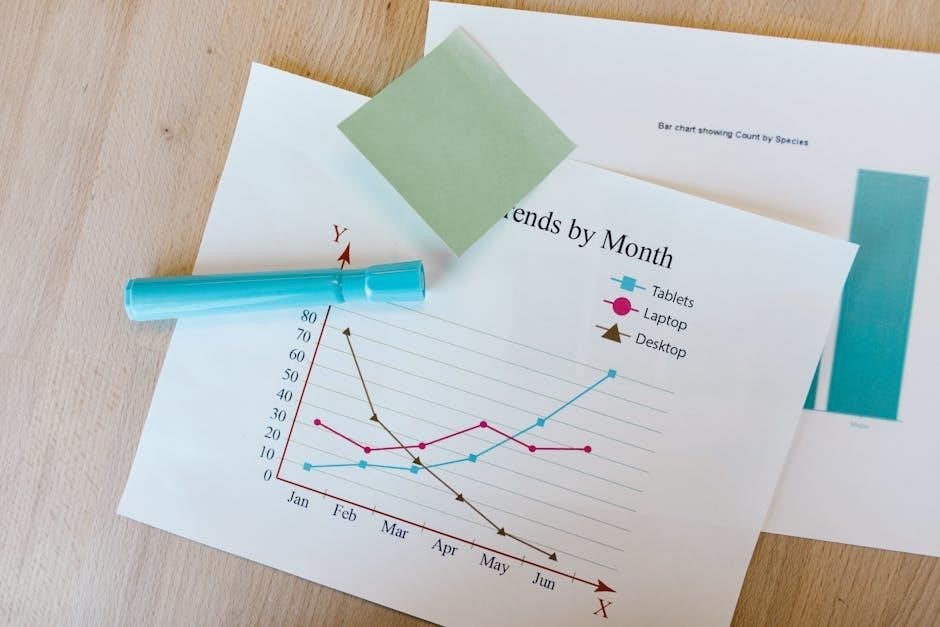
Calorie density represents the amount of calories within a given volume of food‚ typically measured per 100 grams or per pound․ Understanding this concept is pivotal for effective weight management‚ as it shifts focus from simply counting calories to considering how much food you can consume while staying within your caloric goals․
A calorie density chart PDF serves as a practical tool‚ categorizing foods based on their caloric concentration․ Foods with low calorie density‚ like many vegetables and fruits‚ allow for larger portion sizes without exceeding calorie limits‚ promoting satiety and reducing hunger․ Conversely‚ high-density foods‚ such as processed snacks and fats‚ deliver more calories in smaller portions․
Utilizing these charts empowers individuals to make informed food choices‚ prioritizing nutrient-rich‚ low-density options to support healthy eating habits and sustainable weight loss;
What is a Calorie Density Chart?
A calorie density chart is a visual guide‚ often available as a PDF document‚ that lists various foods alongside their calorie content per unit of weight – commonly per 100 grams or per pound․ These charts are designed to illustrate the relationship between food volume and caloric intake‚ offering a practical tool for dietary planning․
Typically‚ charts categorize foods into groups like vegetables‚ fruits‚ starches‚ proteins‚ and fats‚ displaying a range of calorie values within each category․ For example‚ vegetables generally exhibit lower calorie densities (60-195 calories per pound)‚ while processed foods tend to have higher densities․
The primary function of a calorie density chart is to help individuals make informed food selections‚ favoring lower-density options to increase satiety and manage calorie consumption effectively․
Why Use a Calorie Density Chart for Weight Management?
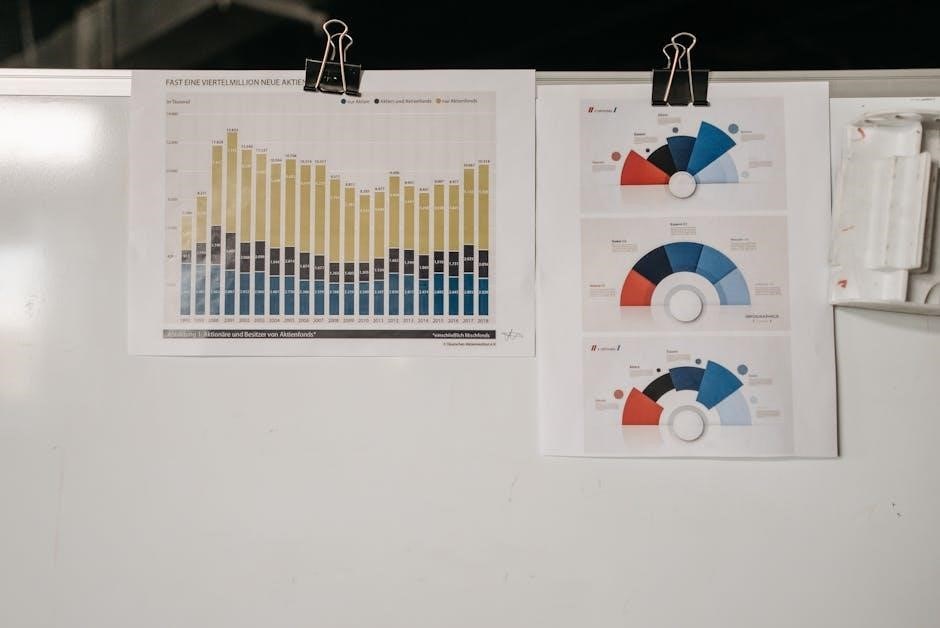
Utilizing a calorie density chart‚ often found as a convenient PDF‚ is a powerful strategy for weight management because it shifts the focus from simply counting calories to understanding where those calories come from․ By prioritizing foods with lower calorie densities – like vegetables and fruits (140-420 kcal/lb) – individuals can consume larger volumes of food while maintaining a controlled caloric intake․
This approach naturally promotes feelings of fullness and satiety‚ reducing cravings and the likelihood of overeating․ Charts help identify foods that provide substantial volume for fewer calories‚ enabling a more satisfying and sustainable dietary pattern․
Effectively‚ a calorie density chart empowers individuals to make mindful food choices that support weight loss or maintenance without feeling deprived․
Understanding Calories and Weight Loss
Weight loss fundamentally hinges on creating a calorie deficit – consuming fewer calories than your body expends․ A calorie‚ a unit of energy‚ is often measured in kilocalories (kcal)‚ where 1 kcal equals 4185․8 joules․ While a calorie density chart PDF doesn’t directly calculate deficits‚ it provides the foundational knowledge to build a deficit effectively․
Understanding that different foods deliver varying caloric amounts per unit of weight is crucial․ For instance‚ a pound of vegetables (60-195 kcal) offers significantly fewer calories than a pound of high-density foods․
By leveraging this information‚ individuals can strategically select lower-density options‚ maximizing fullness while minimizing caloric intake‚ thus supporting weight loss goals․
Defining Calories: Units of Energy
A calorie is fundamentally a unit measuring energy‚ specifically the amount needed to raise the temperature of 1 gram of water by 1 degree Celsius at standard atmospheric pressure․ Commonly‚ we refer to kilocalories (kcal)‚ equivalent to 1000 calories or 4185․8 joules․ This energy fuels our bodily functions and physical activity․
When utilizing a calorie density chart PDF‚ understanding these units is vital․ The chart quantifies the energy content within a specific weight of food․
The chart doesn’t just present numbers; it translates energy potential into a practical tool for dietary planning․ Recognizing the relationship between calories‚ kilocalories‚ and joules empowers informed food choices aligned with energy balance and weight management․
The Role of Calories in Metabolism
Calories are the cornerstone of metabolism‚ the complex process by which our bodies convert food and drink into energy․ This energy powers everything from breathing and circulation to physical activity and cognitive function․ A calorie density chart PDF becomes a valuable tool when considering metabolic rates․
The number of calories consumed directly impacts metabolic activity․ When utilizing a chart‚ understanding how different foods contribute to overall caloric intake is crucial․
Foods with varying densities affect metabolic processes differently‚ influencing satiety and energy expenditure․ By analyzing a chart‚ individuals can strategically select foods to optimize metabolic function and support weight management goals․
Calorie Deficit and Weight Loss Principles
Weight loss fundamentally relies on creating a calorie deficit – consuming fewer calories than the body expends․ A calorie density chart PDF aids this process by highlighting foods that offer volume with fewer calories‚ promoting satiety and reducing overall intake․
Understanding calorie density allows for strategic food choices․ Prioritizing low-density foods‚ like vegetables‚ enables larger portion sizes without exceeding caloric goals․ This approach combats hunger and supports adherence to a weight loss plan․
The chart facilitates informed decisions‚ moving beyond simply counting calories to considering the source of those calories․ Successfully implementing a calorie deficit‚ guided by a density chart‚ is key to sustainable weight management․
Calorie Density Explained
Calorie density refers to the number of calories within a given volume of food‚ typically measured per 100 grams or pound․ A calorie density chart PDF visually represents this concept‚ categorizing foods based on their caloric concentration․
Foods with low calorie density‚ like most vegetables and fruits‚ provide substantial volume for relatively few calories․ Conversely‚ high-density foods – often processed or high in fat – pack many calories into a small serving․
Utilizing a chart helps individuals make informed choices‚ favoring lower-density options to increase fullness and reduce overall calorie consumption․ Understanding this principle is crucial for effective weight management and dietary planning․

How Calorie Density Impacts Satiety
A calorie density chart PDF highlights a key principle: foods with lower calorie density promote greater satiety – the feeling of fullness․ This occurs because these foods‚ typically rich in water and fiber‚ occupy more volume in the stomach․
This increased volume triggers stretch receptors‚ signaling fullness to the brain․ Consequently‚ individuals can consume larger portions of low-density foods without exceeding their caloric needs․
Conversely‚ high-density foods offer less volume per calorie‚ leading to quicker consumption and potentially overeating before the body registers fullness․ Utilizing a chart encourages prioritizing foods that maximize satiety‚ supporting weight management goals․
Comparing Calorie Density Across Food Groups
A calorie density chart PDF clearly demonstrates significant variations across food groups․ Vegetables consistently exhibit the lowest density‚ ranging from 60-195 calories per pound‚ due to their high water and fiber content․
Fruits fall into a moderate range (140-420 kcal/lb)‚ while starchy vegetables and grains (potatoes‚ rice‚ corn) show a higher density around 400 kcal/lb․
Protein sources vary; poultry‚ fish‚ and eggs generally have moderate densities‚ while legumes offer a good balance of protein and lower density․ Comparing these values allows for strategic meal planning‚ favoring lower-density options to promote fullness and manage caloric intake effectively․
Vegetable Calorie Density
A calorie density chart PDF highlights vegetables as nutritional powerhouses with remarkably low caloric density‚ typically ranging between 60 to 195 calories per pound․ Leafy greens‚ like spinach and lettuce‚ reside at the lower end of this spectrum‚ offering substantial volume for minimal calories․
Cruciferous vegetables – broccoli‚ cauliflower‚ and cabbage – also maintain a low density․ Non-starchy options‚ such as peppers and cucumbers‚ contribute significantly to satiety without excessive caloric intake․
This low density is attributed to their high water and fiber content‚ making them ideal for weight management and promoting a feeling of fullness‚ as demonstrated within a comprehensive chart․
Fruit Calorie Density
A calorie density chart PDF reveals that fruits generally exhibit a moderate caloric density‚ falling within the range of 140 to 420 calories per pound․ This variance depends heavily on the fruit’s sugar content and water volume․
Berries‚ such as strawberries and blueberries‚ tend to be lower in density due to their high water content and fiber․ Conversely‚ fruits like bananas and mangoes possess a higher density owing to their greater sugar concentration․
While fruits offer essential vitamins and minerals‚ mindful portion control is crucial when utilizing a calorie density approach for weight management‚ as indicated by a detailed chart analysis․
Starchy Vegetable & Grain Calorie Density
A calorie density chart PDF demonstrates that starchy vegetables and grains typically present a higher caloric density compared to non-starchy vegetables and most fruits‚ generally around 400 calories per pound․ This is due to their complex carbohydrate composition․
Potatoes‚ corn‚ rice‚ barley‚ yams‚ and pasta fall into this category․ While providing sustained energy‚ larger portions can quickly contribute to a calorie surplus․
When consulting a chart‚ it’s important to note that preparation methods significantly impact density; boiled potatoes are less dense than fried․ Prioritizing whole grains over refined options can also improve nutritional value within this food group․
Protein Sources & Calorie Density
A comprehensive calorie density chart PDF reveals that protein sources exhibit a varied range of caloric density․ Generally‚ leaner protein options offer a favorable density for weight management‚ falling between 300-500 calories per pound․
Poultry‚ fish‚ and eggs are frequently highlighted for their relatively lower density compared to fattier cuts of meat․ Legumes‚ a plant-based protein source‚ also present a beneficial density profile․
However‚ processing methods and added fats can significantly alter the density․ For example‚ fried chicken will have a higher density than grilled chicken breast․ Charts often categorize these variations for accurate tracking․
Poultry‚ Fish‚ and Eggs: Calorie Density Breakdown
A detailed calorie density chart PDF showcases the nuances within poultry‚ fish‚ and egg caloric values․ Skinless chicken breast typically registers around 320-350 calories per pound‚ making it a highly favorable choice․
Fish varies; white fish like cod or haddock generally have lower densities (around 80-100 calories per 3․5oz serving) than salmon or mackerel (150-200 calories per 3․5oz serving) due to higher fat content․
Eggs‚ approximately 70-80 calories each‚ are a protein-packed‚ relatively low-density option․ However‚ preparation methods matter; fried eggs with added oil increase density․ Charts often specify values for different cooking styles‚ aiding precise calorie tracking․
Legumes & Their Calorie Density
A comprehensive calorie density chart PDF highlights legumes as a nutritional powerhouse with moderate caloric density․ Generally‚ legumes fall within the 400-500 calories per pound range‚ offering a substantial fiber and protein punch․
Lentils‚ around 230 calories per cooked cup‚ are among the lowest-density legumes․ Black beans and kidney beans typically range from 227-240 calories per cup․ Chickpeas‚ slightly higher at approximately 269 calories per cup‚ remain a favorable choice․
These charts often detail both cooked and dry weight values‚ crucial for accurate tracking․ Legumes’ high fiber content promotes satiety‚ making them valuable for weight management despite their moderate density․
Creating Your Own Calorie Density Chart (PDF)
Developing a personalized calorie density chart PDF empowers tailored dietary control․ Begin by listing frequently consumed foods․ Utilize online databases or nutritional labels to determine calories per 100g or per pound for each item․
Organize your chart with columns for food name‚ serving size‚ and calorie density․ Categorize foods (vegetables‚ fruits‚ proteins) for easy reference․ Spreadsheet software like Excel simplifies calculations and formatting․
Once populated‚ export the spreadsheet as a PDF for portability and easy sharing․ Consider including a color-coding system – green for low density‚ yellow for moderate‚ and red for high – for quick visual assessment․ Regularly update your chart as your diet evolves․
Resources for Finding Pre-Made Charts

Numerous online platforms offer readily available calorie density charts in PDF format․ TheShreddedVegan provides a comprehensive chart categorizing foods by caloric weight․ Various health and wellness websites host downloadable charts‚ often focusing on weight loss strategies․
Pinterest serves as a visual repository‚ showcasing numerous user-created charts․ Searching “calorie density chart” yields diverse options․ Registered dietitian blogs and nutrition-focused websites frequently offer printable PDFs․
Remember to verify the source’s credibility and ensure the chart aligns with your dietary needs․ Look for charts detailing calories per 100g or pound for accurate comparison․ Many resources also offer accompanying guides explaining chart usage;
Tips for Using a Calorie Density Chart Effectively
When utilizing a calorie density chart PDF‚ prioritize foods with lower calorie densities – primarily vegetables and fruits – to maximize satiety with fewer calories; Focus on volume eating; larger portions of low-density foods promote fullness․
Combine high-density foods with low-density options to balance meals․ For example‚ pair a small portion of nuts with a large salad․ Understand that calorie density isn’t the sole determinant of health; nutrient quality matters․
Use the chart as a guide‚ not a rigid rule․ Personalize your approach based on activity level and individual needs․ Regularly review and adjust your food choices to optimize weight management and overall well-being;
Sample Calorie Density Chart (Foods Listed)
Here’s a simplified calorie density chart excerpt‚ demonstrating calories per 100g (3․5oz)․ Leafy vegetables (spinach‚ lettuce) average 15-30 calories․ Cruciferous vegetables (broccoli‚ cauliflower) range from 25-40 calories․
Non-starchy vegetables (cucumber‚ zucchini) typically fall between 15-35 calories․ Fruits like berries (strawberries‚ blueberries) are around 50-60 calories‚ while apples and oranges are 40-50 calories․
Starchy vegetables (potatoes‚ corn) average 75-100 calories․ Whole grains (brown rice‚ quinoa) are approximately 110-130 calories․ Poultry (chicken breast) is around 165 calories‚ and fish (salmon) averages 208 calories․
Remember‚ these are averages; preparation methods impact calorie density․
Low Calorie Density Foods (Examples)
Low calorie density foods are nutritional powerhouses‚ offering substantial volume with fewer calories․ This promotes satiety‚ aiding weight management․ Excellent examples include leafy greens like spinach and kale‚ clocking in at under 30 calories per 100g․
Non-starchy vegetables such as cucumbers‚ celery‚ and zucchini also boast low densities‚ typically between 15-35 calories per 100g․ Berries – strawberries‚ blueberries‚ raspberries – provide sweetness with around 50-60 calories․
Broth-based soups and watermelon are further examples‚ filling you up without significant caloric intake․ Prioritizing these foods in your diet allows for larger portions while maintaining a calorie deficit․
Incorporating these options is key to utilizing a calorie density chart effectively․
High Calorie Density Foods (Examples)
High calorie density foods deliver a significant number of calories in a small volume․ While not inherently “bad‚” mindful consumption is crucial for weight management․ Nuts and seeds‚ for instance‚ pack around 500-700 calories per 100g‚ offering healthy fats but requiring portion control․
Dried fruits‚ like dates and raisins‚ concentrate sugars‚ resulting in approximately 300-400 calories per 100g․ Oils and butter are extremely calorie-dense‚ providing 800-900 calories per 100g․
Processed snacks – cookies‚ chips‚ chocolate – often fall into this category‚ offering minimal nutritional value alongside high caloric loads․ Cheese‚ while nutritious‚ also has a relatively high density․
Understanding these examples is vital when interpreting a calorie density chart and making informed food choices․
Converting Units: Calories‚ Kilocalories‚ and Joules
Understanding energy unit conversions is essential when working with a calorie density chart․ The “calorie” (cal) measures energy‚ defined as the heat needed to raise 1g of water by 1°C․ However‚ nutritional contexts typically use the “kilocalorie” (kcal)‚ equaling 1000 calories․
One kcal is also equivalent to 4․1858 kilojoules (kJ)․ Therefore‚ when a food label states “Calories‚” it actually refers to kilocalories․ This distinction is crucial for accurate calculations․
Furthermore‚ the British Thermal Unit (BTU) is another energy unit; 1 BTU equals approximately 0․293 watts (W)․ While less directly related to food‚ understanding BTU to Watt conversions can be helpful in broader energy comparisons․
Accurate conversion ensures consistent interpretation of energy values within a calorie density chart․
BTU to Watt Conversion (Related Energy Units)
While primarily focused on food energy‚ understanding related units like the British Thermal Unit (BTU) and Watt (W) provides a broader energy context․ The conversion factor is 1 BTU ≈ 0․293 Watts․ This relationship arises because BTUs measure heat‚ while Watts measure power – the rate of energy transfer․
In practical terms‚ a common reference point is air conditioning․ One horsepower (hp) is often equated to 2500 Watts․ Consequently‚ 8532․5 BTU is roughly equivalent to 1 hp‚ though 9000 BTU is commonly marketed as 1 hp (or 2637W)․
Although seemingly distant from a calorie density chart‚ recognizing these conversions highlights the interconnectedness of energy measurements․ This broader understanding can be beneficial when considering overall energy expenditure and intake․
Ultimately‚ these conversions reinforce the concept that energy‚ regardless of its form‚ is quantifiable and comparable․
Practical Applications of Calorie Density Charts
Calorie density charts‚ often available as a PDF‚ empower individuals to make informed food choices for effective weight management․ By prioritizing foods with lower calorie density – like vegetables (60-195 kcal/lb) – you can increase satiety while consuming fewer calories․
These charts facilitate meal planning‚ allowing for larger portion sizes of nutrient-rich‚ low-density foods․ This approach combats hunger and reduces cravings for high-density options like processed foods․
Furthermore‚ understanding calorie density aids in mindful eating․ It shifts focus from simply counting calories to evaluating the volume of food consumed․
Utilizing a PDF chart promotes consistent tracking and awareness‚ fostering long-term dietary habits․ Ultimately‚ these charts are a practical tool for achieving and maintaining a healthy weight․



Leave a Reply
You must be logged in to post a comment.